Event JSON
{
"id": "c8bdd4b658a6c37b696c1de81f9f9fa130c0767978572783b255f9c3a04f092c",
"pubkey": "9a6a1a8eefd0b53d7e0c966ab35bd904151246f03b1be98fa0d2d0eeb4940320",
"created_at": 1771783159,
"kind": 1,
"tags": [
[
"proxy",
"https://mathstodon.xyz/@johncarlosbaez/116115581109436536",
"web"
],
[
"imeta",
"url https://media.mathstodon.xyz/media_attachments/files/116/115/556/423/908/082/original/736d9f406384b4d9.png",
"m image/png"
],
[
"proxy",
"https://mathstodon.xyz/users/johncarlosbaez/statuses/116115581109436536",
"activitypub"
],
[
"L",
"pink.momostr"
],
[
"l",
"pink.momostr.activitypub:https://mathstodon.xyz/users/johncarlosbaez/statuses/116115581109436536",
"pink.momostr"
],
[
"-"
]
],
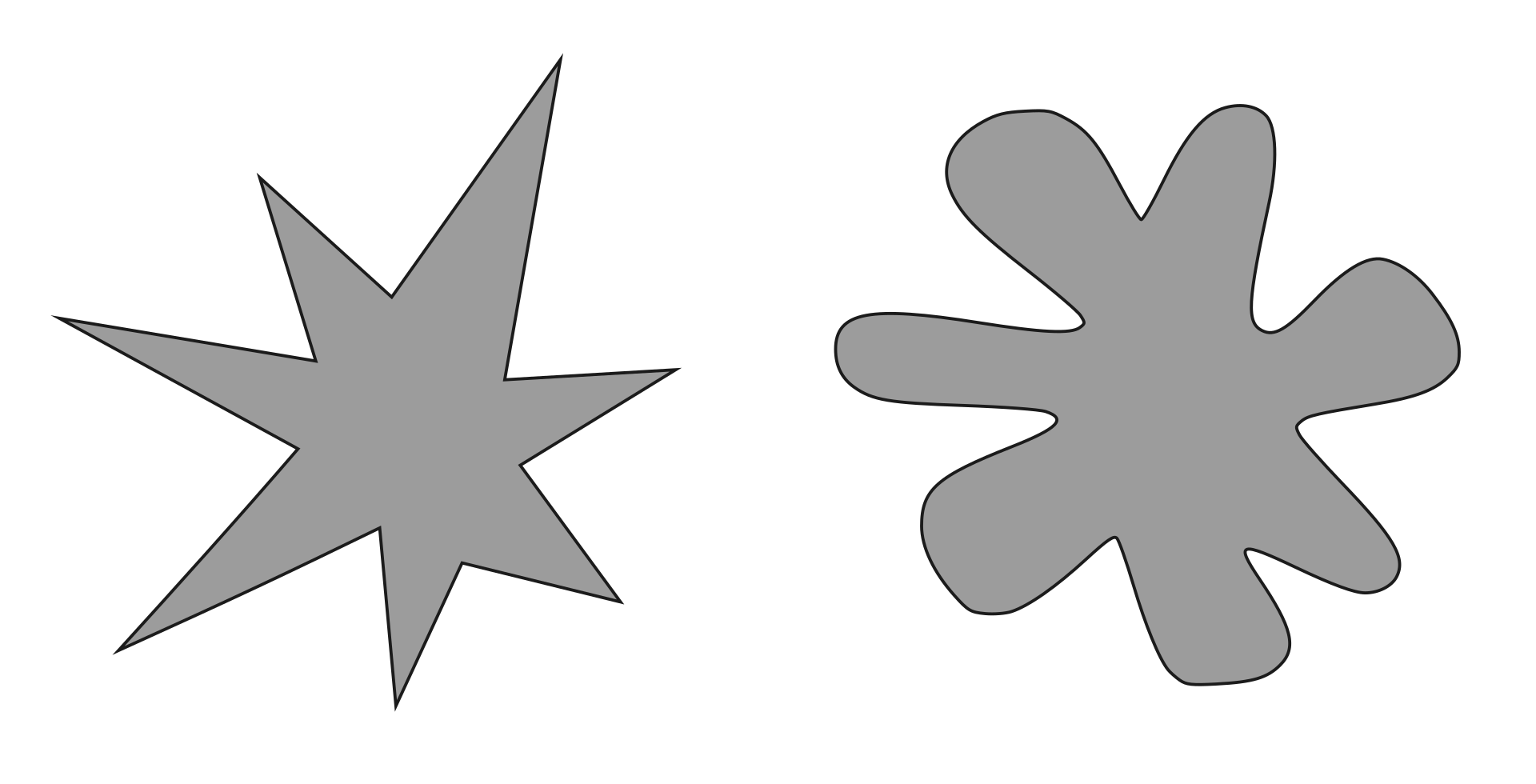
"content": "THE BOUBA/KIKI EFFECT\n\nWhich of these shapes looks like the sound \"bouba\", and which looks like the sound \"kiki\"? \n\nPeople of all cultures agree on this, and now it's been found that baby chicks do too:\n\nhttps://phys.org/news/2026-02-bouba-kiki-effect-baby-chicks.html\n\nIt may seem weird that sounds should robustly match with shapes, but I think it follows from physics - and living as we do in the physical world, it pays for us to have these associations.\n\nFor more:\n\nhttps://en.wikipedia.org/wiki/Bouba/kiki_effect\nhttps://media.mathstodon.xyz/media_attachments/files/116/115/556/423/908/082/original/736d9f406384b4d9.png\n",
"sig": "8917c3a0c2530796b3c8d613672fa4b667036952955f3d0cd20ce2f9a0215249ec0d884417a2d1ce59bb9bd6226d94a10c5d491aab95b20ba8918c74b74e1354"
}