Event JSON
{
"id": "2a9efb8a70a47b7adfa0df6a3ee263ec5469b43e95ff0a1c1a4afde26b33d5b7",
"pubkey": "b2ecb8cb96bc62df25c5847725e90b0e21dc0afc7adcc51eb2746527da9392eb",
"created_at": 1781117621,
"kind": 1,
"tags": [
[
"t",
"germany"
],
[
"imeta",
"url https://cdn.masto.host/urbanistssocial/media_attachments/files/116/727/324/213/103/680/original/589967884a4b81ab.jpg",
"m image/jpeg"
],
[
"proxy",
"https://urbanists.social/@straphanger/116727324454903286",
"web"
],
[
"imeta",
"url https://cdn.masto.host/urbanistssocial/media_attachments/files/116/727/324/184/949/296/original/edd9b7fede57f409.jpg",
"m image/jpeg"
],
[
"proxy",
"https://urbanists.social/users/straphanger/statuses/116727324454903286",
"activitypub"
],
[
"L",
"pink.momostr"
],
[
"l",
"pink.momostr.activitypub:https://urbanists.social/users/straphanger/statuses/116727324454903286",
"pink.momostr"
],
[
"-"
]
],
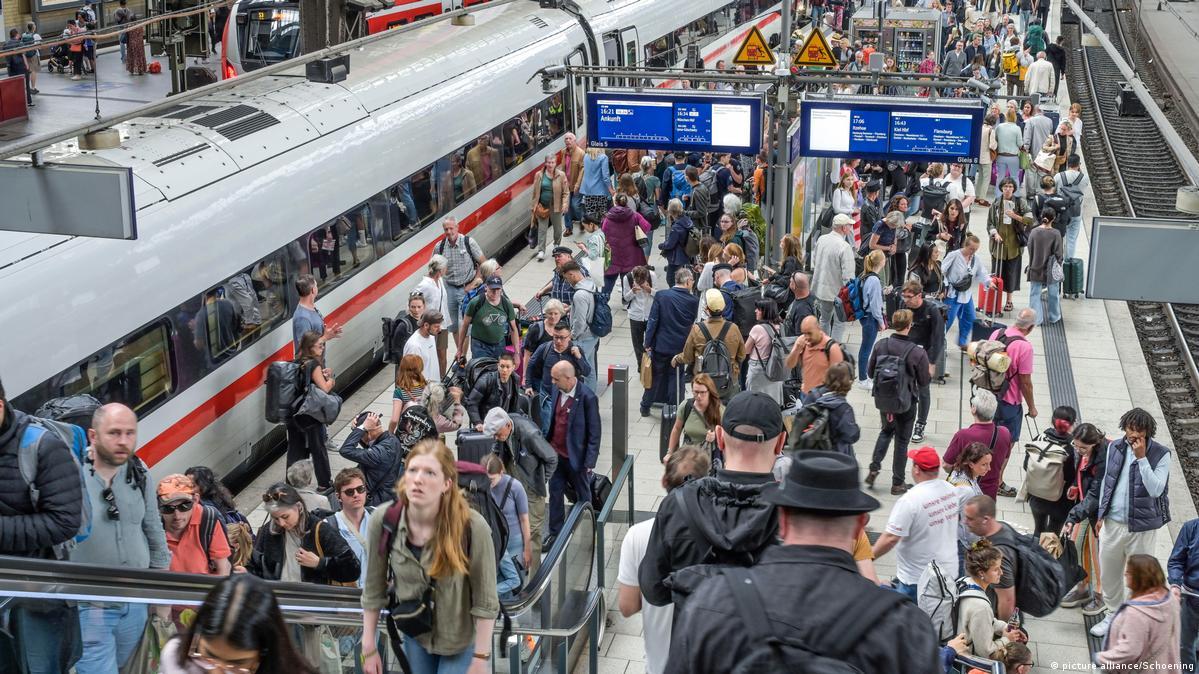
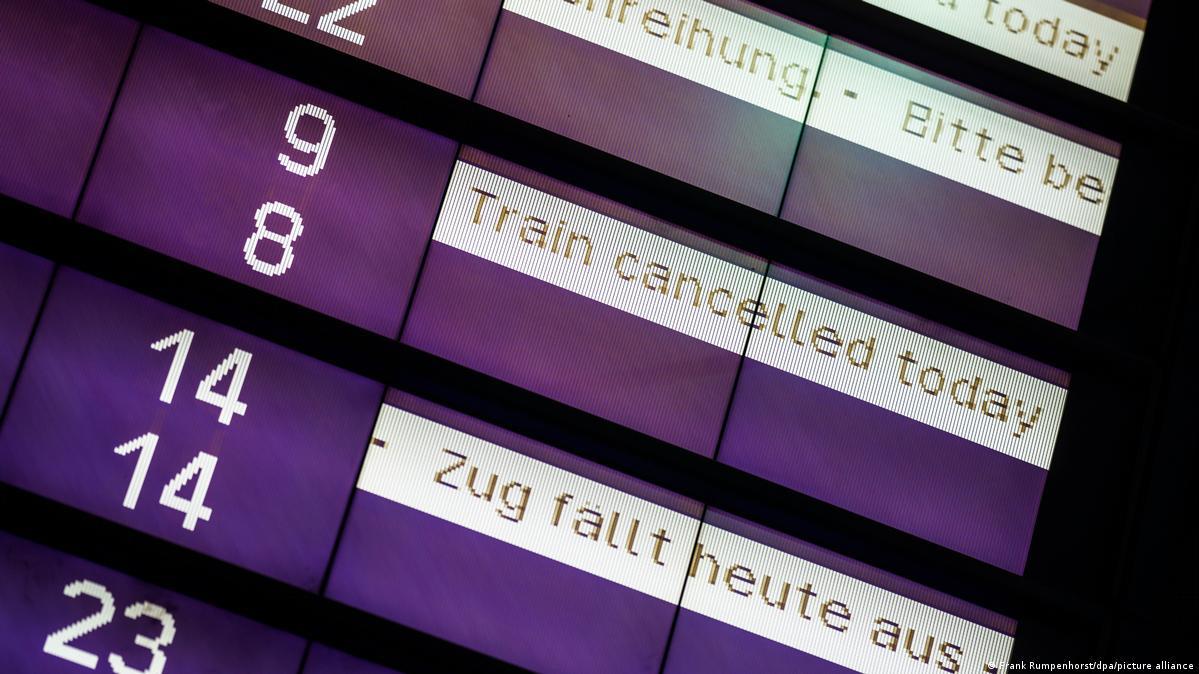
"content": "\"Just 60 % of long-distance trains arrive on time, down from 84 % twenty years ago.\"\n\nThanks to neglect of basic infrastructure, rail service in #Germany is awful.\n\nThe good news: a €107-billion spending program aims to get the system back on track.\n\nhttps://www.ft.com/content/db75e347-b13b-4753-8130-6301bb55c040?syn-25a6b1a6=1 (Paywall)\nhttps://cdn.masto.host/urbanistssocial/media_attachments/files/116/727/324/184/949/296/original/edd9b7fede57f409.jpg\nhttps://cdn.masto.host/urbanistssocial/media_attachments/files/116/727/324/213/103/680/original/589967884a4b81ab.jpg\n",
"sig": "de3ebfdb4b2e92fe590de2c1cf757edf13ba3df224a1d0d2cb0cfaea1ebb1275dc12d466629cfa98a23c065ec701ca3a90b2482dc85ce12432492da86821d7e4"
}